 blog
How to Choose Personalized Non-Medical Care Services
Last Updated: October 25, 2026
Quick Summary
Personalized non-medical care services provide hands-on support for daily activities like bathing, meal preparation, and companionship without medical treatment or nursing care. These services help seniors and people with disabilities maintain independence and quality of life while remaining in their own homes.
- Non-medical caregivers assist with everyday tasks, companionship, and safety but do not administer medications or provide clinical nursing.
- Common services include personal hygiene assistance, meal preparation, light housekeeping, medication reminders, transportation, and companionship.
- A solid care plan outlines what your loved one needs, when they need it, and includes emergency protocols.
- Ask prospective providers about background checks, training, caregiver turnover rates, and communication systems.
- Continuity of care with the same caregiver builds trust and allows deeper understanding of your loved one's preferences.
Table of Contents
- Understanding Personalized Non-Medical Care Services
- What Non-Medical Home Care Services Can Provide
- Activities of Daily Living Assistance and What It Means
- Developing a Care Plan for Seniors at Home
- The Value of Senior Companion Care
- Questions to Ask When Evaluating Providers
- Caregiver Training, Screening, and Your Peace of Mind
- Building Trust and Ensuring Continuity of Care
- Start Your Personalized Care Journey Today
- Frequently Asked Questions
Understanding Personalized Non-Medical Care Services
Personalized non-medical care services provide hands-on support for daily activities without medical treatment or nursing care. These services help seniors and people with disabilities maintain independence, dignity, and quality of life while remaining in their own homes.
The difference between personalized non-medical care services and medical care is clear: non-medical caregivers assist with everyday tasks, companionship, and safety. They do not administer medications, perform wound care, or provide clinical nursing. This distinction matters because it shapes what to expect, how to evaluate providers, and what your loved one will actually receive.
At Mutiara Elite, we understand that choosing the right care partner is deeply personal. Families come to us with concerns about safety, continuity, and whether a caregiver will truly treat their loved one with respect. These concerns are valid. The right provider makes all the difference.
What Non-Medical Home Care Services Can Provide
Personalized non-medical care services cover many activities that keep daily life running smoothly. Common services include personal hygiene assistance, meal preparation, light housekeeping, medication reminders, transportation to appointments, and companionship.
Some providers focus heavily on physical assistance. Others emphasize emotional connection and social engagement. The best providers do both. When evaluating options, look for flexibility, your loved one's needs may shift over time, and a good provider adapts.
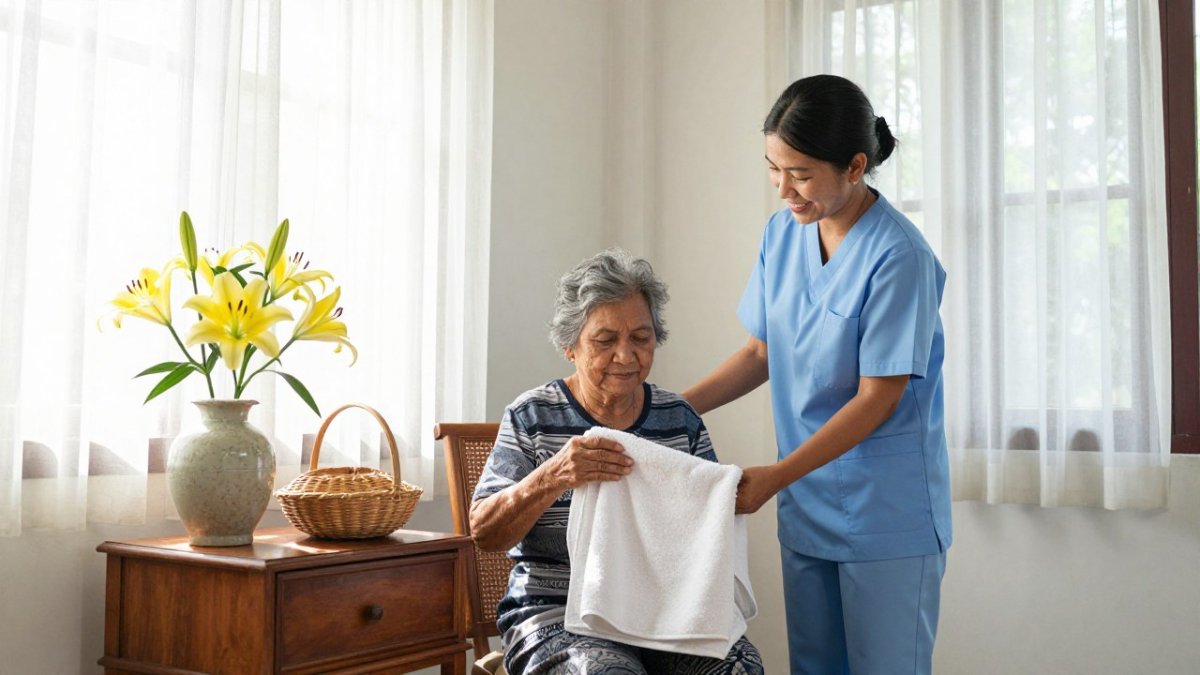
You can explore personalized non-medical home care services tailored to your specific situation. Services often include help with bathing and grooming, dressing, toileting, and mobility support. Meal prep might mean planning nutritious menus, shopping, cooking, and cleanup. Light housekeeping keeps the home safe and comfortable without deep cleaning.
Companionship is often underestimated. Regular social interaction reduces isolation, supports mental health, and provides peace of mind when family members cannot be present. A caregiver who engages in conversation, accompanies your loved one to activities, or simply sits together during meals adds immense value beyond the physical tasks.
Activities of Daily Living Assistance and What It Means
Activities of daily living (ADLs) are the routine tasks people do to care for themselves. Assistance with ADLs is the core of personalized non-medical care services. Understanding what this means helps you identify what your loved one actually needs.
ADLs include bathing, dressing, grooming, toileting, and eating. Instrumental ADLs (IADLs) extend to meal preparation, medication management reminders, housekeeping, laundry, shopping, and transportation. Many seniors need help with one or two ADLs. Others require support across multiple areas.
The key question is not whether your loved one can do these tasks alone, it is whether doing them alone creates risk, exhaustion, or isolation. A person who can technically bathe themselves but struggles with balance, slippery surfaces, or memory may benefit enormously from a caregiver's presence. That presence is not weakness. It is practical support that preserves independence.
When evaluating a provider, ask specifically which ADLs they have experience with. Some caregivers excel at physical assistance but feel uncomfortable with memory support. Others are naturals at companionship but have limited experience with mobility challenges. The best match depends on your loved one's actual needs, not a generic service menu.
Developing a Care Plan for Seniors at Home
A care plan for seniors at home is the roadmap that guides daily support. It outlines what your loved one needs, when they need it, and how the caregiver will deliver it. A thoughtfully developed care plan prevents confusion, ensures consistency, and gives everyone, your loved one, the caregiver, and family members, clear expectations.
Start by assessing your loved one's current abilities and limitations. Can they manage medications independently? Do they have mobility issues? Are there memory concerns? Do they have specific preferences about routines, diet, or social activities? Write these down. They form the foundation of the care plan.
Next, identify gaps. Where does your loved one need support? Be specific. Instead of "needs help with meals," write "needs assistance shopping, meal planning, and cooking three dinners per week." Instead of "needs companionship," specify "would benefit from a caregiver who can accompany them to weekly appointments and engage in conversation about gardening."
A solid care plan for seniors at home also includes emergency protocols. What happens if your loved one falls? Who do they call first? How quickly should the caregiver respond to changes in condition? What information should the caregiver report to family members daily or weekly?
The best providers will review and refine the care plan regularly. Your loved one's needs change. Seasonal adjustments matter. A caregiver who asks thoughtful questions and suggests refinements shows they are genuinely invested in quality care.
The Value of Senior Companion Care
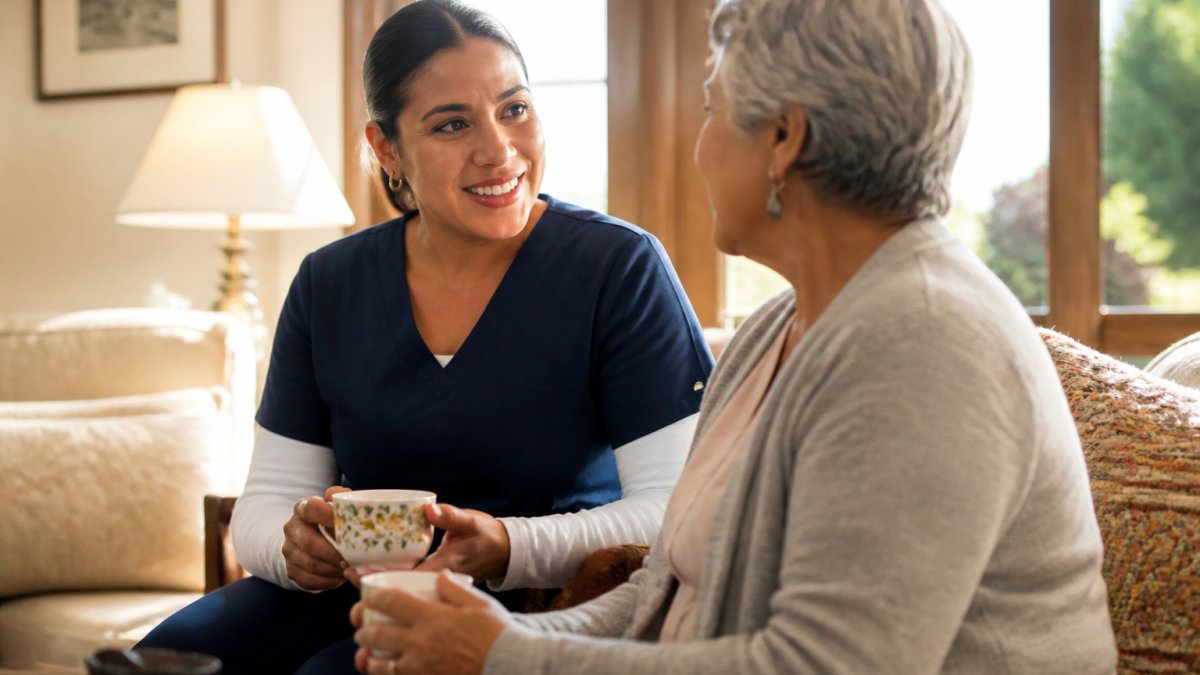
Senior companion care addresses a genuine health need: isolation. Social isolation in older adults is linked to depression, cognitive decline, and increased health risks. A caregiver who provides regular, warm companionship does more than fill time, they actively support mental and physical wellbeing.
Companion care looks different from person to person. For some, it means regular outings to parks, shops, or community events. For others, it is sitting together during meals, engaging in hobbies, or simply having someone present during the day. The specifics matter less than the genuine connection.
You can read more about the benefits of companionship for elderly in depth. What matters here is recognizing that companionship is not a luxury add-on. It is a core component of quality of life. A caregiver who brings warmth, patience, and genuine interest in your loved one's thoughts and feelings transforms the experience of aging at home.
The best companion caregivers remember details. They know which stories your loved one loves to hear again. They notice when mood shifts and respond with extra attention. They treat your loved one as a person with a lifetime of experience and wisdom, not as a care task to complete.
Questions to Ask When Evaluating Providers
Asking the right questions separates mediocre providers from truly reliable ones. Start with screening and training: What background checks do they conduct? What training do caregivers complete? How do they ensure caregivers have experience with your loved one's specific needs?
Ask about continuity. How do they minimize caregiver turnover? What happens if your regular caregiver is unavailable? How quickly can they find a backup? Continuity matters enormously, your loved one benefits from familiarity and trust built over time.
Dig into communication. How often will the caregiver report on your loved one's day? What system do they use, phone calls, written notes, apps? How quickly will they contact you if something concerns them? Clear communication prevents surprises and builds confidence.
Ask about personalization. Do they customize care to your loved one's preferences, or do they follow a standard routine? Will the caregiver adapt as needs change? A provider who listens carefully and adjusts their approach is far more valuable than one offering a fixed package.
You can dive deeper into how to choose a reliable home caregiver with a comprehensive guide covering every evaluation step. The questions you ask reveal whether a provider genuinely understands your loved one's situation or is simply going through motions.
Caregiver Training, Screening, and Your Peace of Mind
Peace of mind depends on knowing your loved one is in capable, trustworthy hands. This starts with how providers screen and train their caregivers. Ask whether they conduct criminal background checks, verify employment history, and check references. These steps are not standard everywhere, so asking directly matters.
Training varies widely. Some caregivers receive formal certification in areas like first aid, CPR, or elder care. Others rely on on-the-job learning. Neither approach is inherently wrong, but the level of training should match your loved one's needs. A person with mobility challenges may benefit from a caregiver trained in safe transfer techniques. Someone with memory concerns needs a caregiver skilled in patience and redirection.
Ask how providers ensure quality. Do they observe caregivers in action? Do they get regular feedback from clients? Do they have a system for addressing concerns quickly? A provider who takes training and quality seriously will have clear answers to these questions.
The reality is that screening and training reduce, but do not eliminate, risk. What matters is choosing a provider that takes these steps seriously and remains responsive if concerns arise. A provider who listens when you raise an issue and acts quickly to address it demonstrates genuine commitment to your loved one's wellbeing.
Building Trust and Ensuring Continuity of Care
Trust develops over time through consistent, respectful interactions. The caregiver who remembers your loved one's preferences, shows up reliably, and treats them with genuine warmth builds trust naturally. A provider that prioritizes caregiver stability helps this happen.
Continuity of care means your loved one works with the same caregiver as much as possible. This consistency reduces confusion, allows the caregiver to understand your loved one's patterns and preferences deeply, and gives your loved one the security of familiarity. When your loved one must adjust to a new caregiver, good providers ensure a smooth transition with overlap and clear communication.
Ask prospective providers directly: How do you keep caregivers engaged and prevent turnover? What is your typical caregiver retention rate? How do you handle the transition when a caregiver moves on? These answers reveal whether continuity is a priority or an afterthought.
Building trust also means transparency. A provider should be honest about what they can and cannot do. They should communicate proactively about any concerns. They should welcome your involvement and input. If something feels off, if your loved one seems uncomfortable, if communication breaks down, if promises are not kept, a trustworthy provider will address it directly rather than becoming defensive.
The most reliable providers understand that they are not replacing family. They are supporting your family's ability to care for your loved one well. That mindset shapes everything: how they interact with your loved one, how they communicate with you, and how they approach the work itself.
Start Your Personalized Care Journey Today
Choosing personalized non-medical care services is one of the most important decisions you can make for your loved one's wellbeing. The right provider becomes a trusted partner in your family's life, supporting independence, dignity, and quality of life at home.
As you evaluate options, remember what matters most: Does this provider genuinely understand your loved one's needs? Do they communicate clearly and listen carefully? Will they adapt as circumstances change? Do they treat your loved one with the respect and warmth your family deserves?
Contact Mutiara Elite to discuss personalized care solutions tailored to your loved one's specific situation. Our team is committed to understanding your family's unique needs and providing compassionate, reliable support that feels like family.
Choosing the right care partner requires thoughtful evaluation and honest conversations. The investment in finding a provider who truly aligns with your values and your loved one's needs pays dividends in peace of mind, safety, and the quality of your loved one's daily life.
| Assessment Area | What to Look For | Why It Matters |
|---|---|---|
| Screening & Training | Background checks, certifications, reference verification | Ensures caregiver reliability and competence |
| Continuity | Low turnover, backup protocols, transition support | Builds trust and reduces confusion for your loved one |
| Communication | Regular updates, responsive to concerns, clear protocols | Keeps you informed and confident in care quality |
| Personalization | Customized care plans, willingness to adapt, attention to preferences | Ensures care matches your loved one's actual needs |
| Values Alignment | Respectful approach, genuine warmth, family-focused mindset | Creates care that feels supportive, not institutional |
EXTERNAL CITATIONS & REFERENCES:
The information in this guide reflects best practices in non-medical home care. For additional guidance on senior care, visit the National Council on Aging's resources for family caregivers, which offers comprehensive information on evaluating care options and supporting aging family members. The Administration for Community Living's caregiver support resources provides federal guidance on planning and accessing home care services. For specific information about activities of daily living assessments, the American Occupational Therapy Association's guidelines on ADL support offers professional standards for evaluating care needs.
Frequently Asked Questions
What are personalized non-medical care services?
Personalized non-medical care services provide in-home assistance with daily living tasks, companionship, and support for seniors and individuals with disabilities. These services focus on helping people maintain independence and dignity in their own homes without medical nursing care. Support includes help with bathing, dressing, meal preparation, medication reminders, transportation, and social engagement tailored to each person's specific needs.
How is non-medical home care different from home health care?
Non-medical home care focuses on assistance with daily activities and companionship without clinical medical treatment. Home health care, by contrast, involves skilled nursing or therapeutic services ordered by a physician. Non-medical caregivers cannot administer medications or perform wound care, but they provide essential support for daily living and emotional well-being that helps people stay safe and comfortable at home.
Can non-medical caregivers help with bathing and dressing?
Yes, non-medical caregivers are trained to assist with personal care including bathing, dressing, grooming, and toileting. They help maintain dignity and safety during these intimate tasks. The level of assistance depends on your loved one's mobility and specific needs, which is why a personalized care plan is important to ensure the right support is in place.
How do I know if a caregiver will stay and not leave after a few months?
Reliable providers invest in caregiver retention through fair compensation, ongoing training, and respectful working conditions. When choosing a provider, ask about their average caregiver tenure, how they match caregivers to clients, and their process for addressing concerns. A provider that prioritizes relationship-building between caregiver and client, maintains open communication, and responds quickly to issues is more likely to ensure continuity of care your loved one deserves.