 how-to
Helping Seniors With Daily Activities at Home
Last Updated: November 10, 2026
Quick Summary
Helping seniors with daily activities at home means supporting basic self-care like bathing, dressing, eating, and moving around, while letting them do as much as they safely can. A steady daily routine, safe bathroom setup, and assisting rather than taking over each task keep seniors safer, healthier, and more independent.
- Set up bathing with a non-slip mat, grab bars, and a shower chair.
- Lay out clothes in dressing order and choose front closures or slip-on shoes.
- Keep a written medication list and use a weekly pill organizer.
- Keep daily activity sessions short, often 15 to 20 minutes for seniors with dementia.
- Revisit the daily routine every few weeks or after any health change.
Table of Contents
- Why Daily Activities Matter for Seniors Living at Home
- Building a Daily Routine for Seniors at Home
- Ways to Help Seniors With Activities of Daily Living
- Fun Activities for Seniors at Home
- Activities for Seniors With Dementia at Home
- Matching Activities to Ability and Preferences
- Booking Support for Your Loved One's Daily Needs
- Frequently Asked Questions
Why Daily Activities Matter for Seniors Living at Home
Helping seniors with daily activities at home keeps them safe, comfortable, and connected to the life they know. Small routines can make a meaningful difference in a person's sense of dignity.
Many older adults want to stay in their own homes as they age. A 2025 systematic review of home modifications for aging in place found that interventions designed to support aging in place are an active area of study, which shows how much this goal matters to families and researchers alike.
Daily activities are the things we do to take care of ourselves and our home. They include bathing, dressing, eating, moving around, and getting in and out of bed. When someone needs help with these tasks, staying at home becomes much harder.
A Harvard Health Publishing report on seniors' daily needs reported that two-thirds of Americans over age 65 need help with one or more everyday activities. That is a large share of older adults, and it is why support at home matters so much.
Here is why daily activities deserve attention:
- Safety: Help with bathing and moving around lowers the risk of falls.
- Health: Regular meals and fluids support strength and recovery.
- Mood: Feeling capable and cared for supports emotional well-being.
- Independence: Light help lets seniors do more for themselves.
Building a Daily Routine for Seniors at Home
A steady daily routine gives older adults a sense of structure and gives the whole family a shared plan. A sample schedule that families can adapt can be more useful than a list of ideas, because it turns ideas into a day that actually works.
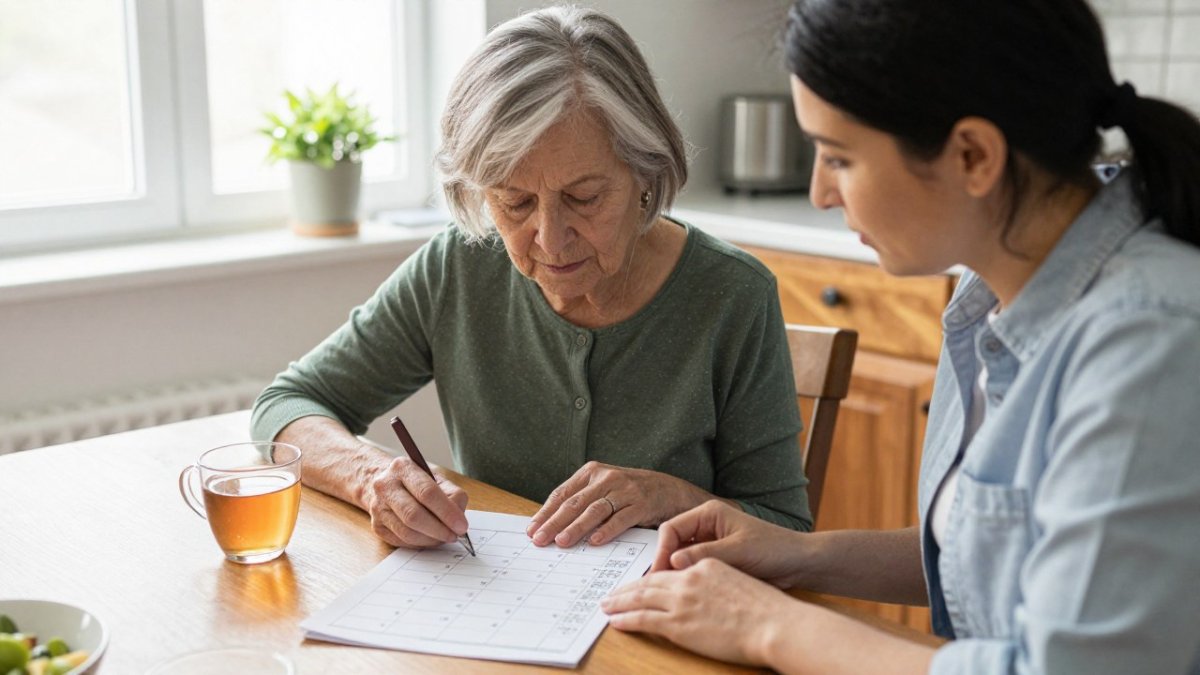
Start with the senior's preferences and health needs, then build the day around them. Some people want a slow morning with tea. Others prefer to dress early and take a short walk. Anchor the routine to fixed points, such as meals and medications, and keep the rest flexible.
A sample weekday schedule
- 7:00-8:00 a.m., Wake-up and personal care. Bathroom, washing up, dressing, and grooming. Lay out clothes the night before to make the morning easier.
- 8:00-9:00 a.m., Breakfast and medication check. A simple meal, fluids, and the morning medications from the pill organizer.
- 9:00-10:00 a.m., Gentle movement. Chair exercises, stretching, or a short indoor walk. Ten minutes is enough on low-energy days.
- 10:00-11:30 a.m., Preferred activity. A puzzle, reading, knitting, or a phone call with family. This is often the senior's best window for focused activity.
- 11:30 a.m.-12:30 p.m., Lunch and rest. A nourishing meal, then a quiet rest period.
- 12:30-2:00 p.m., Appointment, errand, or hobby. A medical visit, a trip to the store, or a favorite pastime.
- 2:00-3:00 p.m., Social time. A visit, a shared cup of tea, or a video call.
- 3:00-4:00 p.m., Light household tasks. Folding laundry, sorting mail, or watering plants, done together.
- 4:00-5:00 p.m., Free time and rest. Energy often dips in the late afternoon.
- 5:00-6:30 p.m., Dinner preparation and dinner. Cooking together when possible, then the evening meal.
- 6:30-8:00 p.m., Wind-down. Music, reading aloud, or a favorite show, plus evening medications.
- 8:00-9:00 p.m., Bedtime preparation. Bathroom, nightclothes, and a consistent bedtime.
Adapting the schedule. Treat the times as flexible blocks, not a rigid timetable. On low-energy days, shorten the movement and activity blocks and protect meals and medications. If the senior has dementia, keep the same sequence each day and place a large-print schedule where it can be seen. If vision is limited, read the schedule aloud each morning or use a talking clock.
Reviewing the routine. Revisit the schedule every few weeks, or after any hospital stay or health change. Ask the senior what felt good and what felt rushed. A routine that the senior helped shape is one they are more likely to keep.
Watch out: A routine that is too packed can cause fatigue and frustration. Leave open space in the day, and let the senior set the pace rather than filling every hour.
Ways to Help Seniors With Activities of Daily Living
Activities of daily living, often called ADLs, cover the basic tasks of self-care: bathing, dressing, grooming, eating, moving around, and using the bathroom. Instrumental activities of daily living, or IADLs, cover the tasks that keep a household running, such as meal preparation, medication routines, light housekeeping, and errands. The keyword "help with daily activities" points at both groups, and the practical question families ask is not whether to help but how much help to give and how to give it without taking over.
A useful rule is to assist with the task, not perform the task. Seniors often stay more capable when caregivers set up the environment, offer choices, and step in only for the part that is genuinely hard. That might mean laying out clothes but letting the senior choose and fasten them, or filling the tub but letting the senior wash independently.
Bathing and showering. Safety comes first. Place a non-slip mat in the tub or shower, install grab bars, and set the water temperature before the senior steps in. A shower chair lets someone who tires easily sit through the whole routine. Offer a towel within reach and stay nearby without hovering. If the senior can wash independently, give privacy and check in at the end. If balance is a concern, a gait belt gives the caregiver a safe handhold without gripping the senior's arm.
Dressing and grooming. Lay out clothing in the order it goes on, choose clothes with front closures, elastic waistbands, and slip-on shoes when dexterity is limited. Let the senior pick the outfit. Offer help with buttons, zippers, and socks only when asked or when it is clearly needed. For grooming, set up a mirror, toothbrush, comb, and shaving supplies at a comfortable height, and use an electric razor for anyone with shaky hands or blood thinners.
Eating and drinking. Prepare simple, nourishing meals and keep favorite foods within reach. Cut food into bite-size pieces when chewing or swallowing is a concern, and offer a straw or a weighted cup for shaky hands. Sit with the senior during meals when possible, because eating alone often leads to skipped meals. Watch out: if coughing, choking, or a wet voice shows up during meals, stop and raise it with the senior's doctor before the next meal.
Moving around the home. Clear walkways, remove throw rugs, and keep a night light on the path to the bathroom. Offer an arm or a gait belt for steady steps rather than pulling on the senior's hand or shoulder. Encourage the use of a cane or walker the senior already owns, and keep it within reach of the chair.
Medication routines. Keep a written list of every medication, dose, and time, and store it where the senior and any family member can find it. Use a weekly pill organizer and set phone reminders at the same times each day. Do not change doses or add over-the-counter products without checking with a pharmacist or doctor.
Household tasks. Light housekeeping, laundry, and meal prep are often the first things to slip when energy is low. Doing a load of laundry together, or setting up a folding station at table height, keeps the senior involved while the caregiver handles the lifting.
Watch out: A caregiver who does too much too fast can take away a senior's sense of control. Ask before you help, let them try first, and treat the task as a shared routine rather than a rescue.
The article breaks daily help into specific areas, each with practical steps, so here is a quick reference for the main tasks.
| Task | Helpful approach | Key tip |
|---|---|---|
| Bathing and showering | Non-slip mat, grab bars, shower chair | Set water temperature before the senior steps in |
| Dressing and grooming | Clothes laid out in dressing order | Choose front closures and slip-on shoes |
| Eating and drinking | Bite-size pieces, straw or weighted cup | Sit together for meals when possible |
| Moving around the home | Clear walkways, night light, gait belt | Offer an arm rather than pulling on the senior |
| Medication routines | Written list and weekly pill organizer | Check with a pharmacist before changing doses |
| Household tasks | Folding station at table height | Keep the senior involved while you handle lifting |
Fun Activities for Seniors at Home
Enjoyable activities keep the mind and body active. They also give seniors something to look forward to each day.
Many older adults enjoy familiar pastimes. The Mutual of Omaha guide to at-home activities suggests options like chair exercises, gentle stretching, indoor walking, puzzles, cooking, and reading. These are a good starting point.
Try building a few activities into the week:
- Gentle stretching or chair exercises for ten minutes
- Puzzles, crosswords, or word games
- Cooking or baking a favorite family recipe
- Listening to music or singing along
- Reading aloud, writing letters, or sharing stories
- Simple arts and crafts such as drawing, knitting, or sewing
Choose activities that match the senior's energy and interests. A small win, like finishing a puzzle, can lift the whole day.
Activities for Seniors With Dementia at Home
Seniors with dementia often do best with calm, familiar activities. Short sessions and simple steps usually work better than long, complicated tasks.
Focus on activities that rely on past memories and routines. Folding laundry, sorting buttons, looking through photo albums, and listening to favorite songs can all bring comfort.
Keep these tips in mind:
- Keep sessions short, often 15 to 20 minutes.
- Use one clear step at a time.
- Choose tasks the person has done for years.
- Watch for signs of fatigue or agitation, and stop when needed.
Because dementia affects each person differently, check with the senior's doctor before starting a new exercise or activity plan.
Matching Activities to Ability and Preferences
The best activity is the one a senior can enjoy safely. Matching activities to ability, health, and personal preferences makes a real difference.
Start with a simple question: what did this person enjoy before? A former teacher might like reading aloud. A retired gardener might enjoy arranging flowers. Use those past interests as a guide.
Then adjust for ability. If standing is hard, offer seated versions of activities. If vision is limited, choose large-print books or high-contrast puzzles.
Signs an activity is working include:
- The senior seems relaxed or engaged.
- They ask to do it again.
- They finish the activity without tiring too quickly.
If an activity causes pain, confusion, or frustration, change it. Trying something new is part of the process.
Booking Support for Your Loved One's Daily Needs
Caring for a parent or loved one at home can feel overwhelming. You do not have to manage every task alone.
Mutiara Elite offers personalized, non-medical in-home support for seniors and individuals with disabilities, focused on helping loved ones live safely and comfortably at home. You can book in-home support for your loved one to talk through their daily needs, or explore our personal assistance and meal prep services to see what help is available.
If you have questions about how care can fit your family's routine, contact our team to talk it through. Our goal is to help your loved one stay at home with comfort and dignity. For families who want to plan ahead, our guide on choosing a reliable home caregiver covers the key questions to ask.
Frequently Asked Questions
What should a 70-year-old be doing every day at home?
A daily routine for a 70-year-old usually balances movement, mental stimulation, and rest. Gentle activity such as short indoor walks, seated stretches, or light housework helps maintain mobility. Reading, puzzles, music, or conversation keep the mind engaged. Planning meals, personal care, and a regular rest period around the same times each day gives structure. The right mix depends on health and preferences, so a doctor or care team can help adjust it.
What are some fun activities for seniors to do at home?
Many seniors enjoy activities they already know, which makes them easy to start. Options include cooking or baking familiar recipes, listening to or singing favorite songs, working on jigsaw or crossword puzzles, drawing or knitting, and reading aloud. Chair-based exercises and gentle stretching can be added for physical activity. Choosing tasks that match current ability and interests tends to keep older adults engaged longer.
How can families adapt activities for a senior with dementia?
Simplify tasks into short, clear steps and use familiar objects and music from earlier years. Choose activities with a predictable beginning and end, such as sorting photos or folding towels. Offer choices rather than open questions, and avoid correcting mistakes. Schedule activities for the time of day when the person is typically most alert. Watch for signs of frustration and stop or switch activities when needed. Questions about specific symptoms or care plans are best discussed with a qualified professional.
How can caregivers support a senior's independence with everyday tasks?
Let the senior do as much as they safely can, and step in only where help is needed. Break tasks such as dressing or bathing into steps and offer hands-on help for the hardest parts. Use adaptive tools like grab bars, reachers, or non-slip mats where appropriate. Encourage choices about clothing, meals, and schedules. Preserving dignity often matters as much as completing the task, so ask before helping and explain what you are doing.