 ultimate-guide
Non-Medical Home Care for Seniors: A 2026 Guide
Table of Contents
- What Non-Medical Home Care Is and Why It Matters
- Services Included in Non-Medical Home Care
- Non-Medical Home Care Services vs. Home Health Care
- Cost of Non-Medical Home Care and Payment Options
- Caregiver Qualifications, Training, and Safety Standards
- How to Choose a Home Care Agency
- When to Start Non-Medical Home Care and Eligibility
- Frequently Asked Questions
Last Updated: October 11, 2026
What Non-Medical Home Care Is and Why It Matters
Non-medical home care for seniors is professional assistance with daily living activities that doesn't involve medical treatment or skilled nursing.
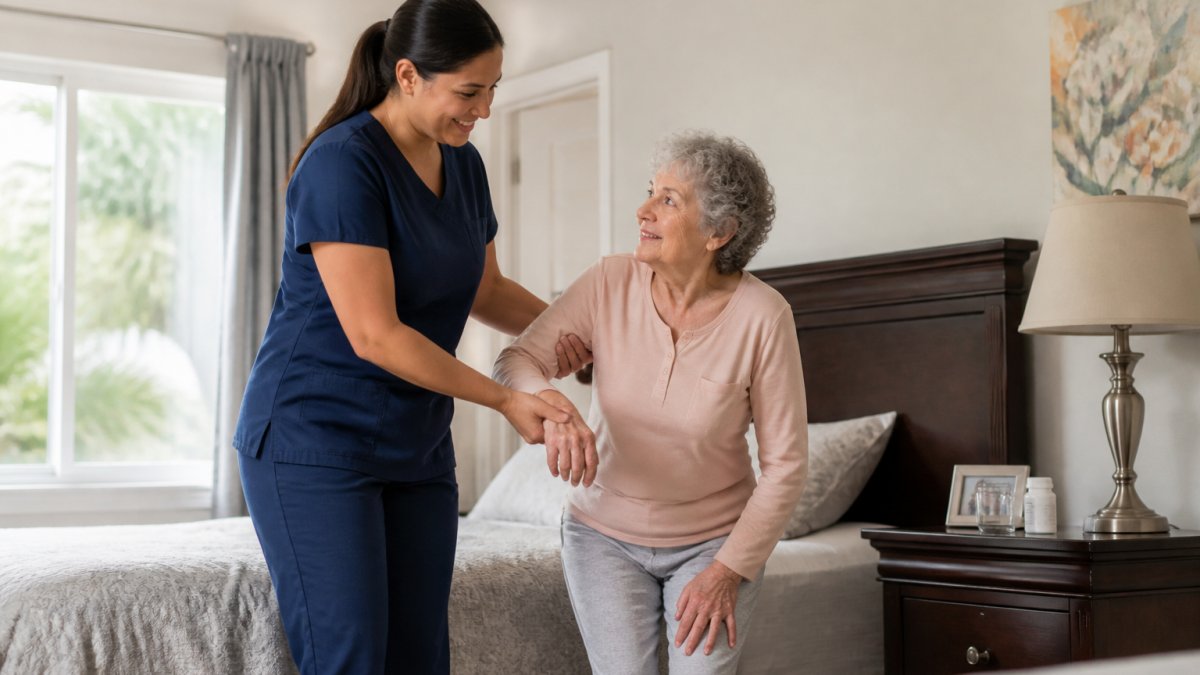
The distinction matters because it shapes what services are available, who provides them, and how they're paid for.
Many adult children find themselves in a difficult position: their parent is aging, needs help, but doesn't require hospitalization or skilled nursing.
The real value isn't just in the tasks completed, it's in the consistency, reliability, and peace of mind.
Services Included in Non-Medical Home Care
Non-medical home care services are broader than many people realize. They go well beyond basic assistance, they're designed to help seniors maintain quality of life across multiple dimensions of daily living.
Personal Care and Activities of Daily Living
Personal care covers the most intimate aspects of daily life: bathing, dressing, grooming, and toileting. These activities become physically difficult or unsafe as mobility declines, arthritis worsens, or balance becomes unreliable. A trained caregiver handles these tasks with professionalism and respect, preserving dignity while preventing falls or injuries.
Beyond basic hygiene, personal care includes nail care, hair washing, skin care, and assistance with adaptive equipment. Some seniors need help getting in and out of bed or transferring to a wheelchair. Others need reminders about changing clothes or maintaining personal hygiene routines.
Companionship and Socialization
Isolation is a serious health risk for seniors (Social isolation and cognitive decline in older adults). Depression, cognitive decline, and physical deterioration accelerate when older adults spend days alone. Non-medical home care includes companionship, genuine social interaction that combats loneliness and maintains mental health.
A caregiver might spend time talking, playing cards, watching movies together, or simply being present during meals. They encourage engagement with family, help organize video calls with distant grandchildren, or accompany seniors to community events. This social component prevents the psychological toll of isolation while keeping the mind active.
Meal Planning, Preparation, and Grocery Shopping
Nutrition often declines when seniors live alone. Cooking becomes physically demanding or cognitively challenging. A caregiver can plan balanced meals based on dietary restrictions, shop for ingredients, and prepare meals that seniors actually enjoy eating. This isn't institutional food, it's cooking that respects preferences and cultural traditions.
Grocery shopping itself becomes easier with help. A caregiver can navigate crowded stores, manage heavy bags, and ensure the pantry stays stocked with nutritious options. For seniors with limited mobility or those who find shopping overwhelming, this service removes a significant barrier to healthy eating.
Light Housekeeping, Laundry, and Errands
Home maintenance becomes harder with age. Vacuuming, dusting, changing sheets, and doing laundry require physical effort that many seniors can't sustain. Light housekeeping keeps the home safe and sanitary without overwhelming the senior with chores.
Laundry service means clean clothes and bedding without the physical demands of washing, drying, and folding. Running errands, picking up prescriptions, paying bills in person, returning items, removes tasks that require mobility, transportation, or navigating bureaucracy. These services keep daily life manageable.
Medication Reminders and Daily Routine Support
Forgetting medications is common among seniors, especially those managing multiple prescriptions (The Association Between Mild Cognitive Impairment and Medication Non-adherence Among...). A caregiver provides reminders, helps organize medications, and ensures doses are taken on schedule. They don't administer medications (that's medical care), but they support adherence through organization and accountability.
Daily routine support extends beyond medications. A caregiver helps establish consistent sleep schedules, reminds seniors to eat, encourages exercise or movement, and maintains the structure that many older adults need to stay healthy and oriented.
Non-Medical Home Care Services vs. Home Health Care
These terms are often confused, but they describe fundamentally different services with different regulations, costs, and provider requirements. Understanding the distinction is critical when evaluating what your parent actually needs.
Home health care involves medical treatment. A nurse might assess a wound, change a dressing, administer injections, or monitor vital signs.
Non-medical home care for seniors focuses on activities of daily living and support services. No medical treatment occurs. The caregiver isn't licensed as a nurse or therapist.
The practical difference: if your parent needs wound care after surgery, you need home health care.
Cost of Non-Medical Home Care and Payment Options
Pricing for non-medical home care varies significantly based on location, caregiver experience, and hours of service.
Costs depend on several factors: whether you hire a caregiver directly or through an agency, how many hours per week you need, and the caregiver's qualifications.
Payment options include out-of-pocket payment, long-term care insurance (if the policy covers non-medical care), Medicaid waiver programs in some states, and veteran benefits for eligible seniors.
The financial reality is that non-medical home care is an ongoing expense without guaranteed insurance coverage. Families should discuss costs openly, explore all available programs, and build this into long-term planning.
Caregiver Qualifications, Training, and Safety Standards
Not all caregivers are equally qualified. Understanding what training and screening actually means helps you assess whether a caregiver is trustworthy and competent.
Caregiver qualifications vary by state and employer. At minimum, a reputable caregiver should have background checks (criminal and credit), reference verification, and basic training in elder care, safety, and infection control (Who to Hire if You Need Caregiving Help).
Training should address practical skills, how to assist with transfers safely, recognize signs of health changes, and respond to emergencies.
Background screening is non-negotiable. This includes criminal background checks, verification of work history, and reference checks from previous clients. Some families conduct their own interviews and reference calls when hiring directly.
How to Choose a Home Care Agency
Selecting the right provider is one of the most important decisions in your parent's care plan. The wrong choice wastes money and creates stress; the right one provides peace of mind and genuine support.
Assessing Your Loved One's Care Needs
Before comparing providers, clarify what your parent actually needs. Does she need help bathing and dressing daily? Does he need companionship but can manage personal care? Is medication management a concern? Does she need mobility assistance?
Document specific tasks and hours. If your parent needs care five days a week from 9 a.m. to noon, that's very different from 24-hour care. If he has dementia, that requires specialized training.
Talk to your parent about preferences. Some seniors want an energetic caregiver who encourages activities; others prefer someone calm and quiet. Some prefer a specific gender; others don't care.
Evaluating Provider Reliability and Fit
When interviewing agencies or caregivers, ask directly about retention rates. How long do caregivers typically stay? What's the turnover rate?
Request references from current and former clients. Ask specific questions: Did the caregiver show up on time consistently? Did she handle your parent with respect? Did you feel comfortable leaving them together? Would you recommend her?
Meet the caregiver before committing. A good fit is personal. Your parent should feel comfortable with this person in their home. Some agencies allow trial periods, a few days or a week to see if the relationship works.
Creating a Personalized Care Plan
A care plan documents what care will be provided, when, and how. It includes daily routines, specific tasks, emergency contacts, and preferences. A good agency works with you to develop this plan and reviews it regularly as needs change.
The plan should specify which tasks the caregiver handles, what time they arrive and leave, and what flexibility exists for schedule changes. It should include your parent's medical history, current medications, dietary restrictions, and any mobility limitations.
A written plan prevents misunderstandings. Both the family and caregiver know exactly what's expected. If problems arise, the plan provides a reference point for discussion.
When to Start Non-Medical Home Care and Eligibility
There's no specific age or diagnosis that triggers the need for non-medical home care. It depends on individual circumstances, abilities, and preferences.
Start considering non-medical home care when your parent struggles with activities of daily living.
Eligibility is straightforward, there are no formal eligibility requirements for non-medical home care. If your parent needs help and can afford it or qualify for a program that covers it, services are available.
The real question isn't eligibility, it's timing and sustainability. Starting care early, while your parent is still relatively independent, allows for gradual adjustment and relationship building.
Choosing the right support for your parent's aging journey is one of the most important decisions you'll make as an adult child. We're committed to helping your parent live safely and comfortably at home while preserving what matters most to them. Contact us today to discuss how we can support your family's needs and create a care plan that truly fits your loved one's life.
Frequently Asked Questions
What is non-medical home care for seniors?
Non-medical home care provides personal assistance and daily living support without medical treatment. Caregivers help with bathing, dressing, grooming, meal preparation, light housekeeping, medication reminders, and companionship. Unlike home health care, which involves nursing or therapy, non-medical care focuses on helping seniors maintain independence, dignity, and quality of life while aging in place at home.
How much does non-medical home care cost?
Pricing for non-medical home care varies based on the level of care needed, hours of service, caregiver qualifications, and your location. Most providers offer flexible scheduling, hourly, daily, or live-in arrangements. Medicare typically does not cover non-medical care; however, some Medicaid programs, long-term care insurance, or Veterans benefits may provide coverage. Contact providers directly for current pricing and to explore payment options that fit your budget.
How is non-medical home care different from home health care?
Non-medical home care provides personal assistance with daily living tasks and companionship. Home health care, by contrast, includes skilled nursing, physical therapy, occupational therapy, and medical treatment ordered by a physician. Home health care is typically covered by Medicare when medically necessary; non-medical care is not. If your loved one needs medication management, wound care, or therapy, home health care may be appropriate. For assistance with bathing, meals, and daily routines, non-medical care is the right choice.
How do I know if my parent or loved one needs non-medical home care?
Signs that in-home care may help include difficulty with bathing, dressing, or grooming; forgetfulness about medications; trouble preparing meals safely; inability to manage household tasks; social isolation; or mobility challenges that increase fall risk. If your loved one can no longer manage daily activities safely but does not require medical treatment, non-medical care allows them to remain at home with professional support. A care assessment by a qualified provider can clarify what level of support is appropriate.
What training and qualifications should a home care caregiver have?
Trained caregivers should have background checks, references, and relevant experience with seniors or individuals with disabilities. Many agencies require certification in first aid and CPR, training in personal care assistance, and knowledge of dementia care or mobility support. Caregivers should understand dignity, privacy, and person-centered care. Ask prospective providers about staff screening, ongoing training, and how they match caregivers to your loved one's specific needs to ensure safety and comfort.
Can I hire a caregiver directly instead of using an agency?
Direct hire allows you to employ a caregiver privately, which may offer cost savings and continuity. However, you become the employer responsible for background checks, payroll taxes, workers' compensation, and liability. Agencies handle these responsibilities, provide backup coverage if your caregiver is unavailable, and manage quality assurance. Many families choose agencies for peace of mind and professional oversight, while others prefer the flexibility and relationship-building of direct hire. Both options have trade-offs to consider.
Does Medicare or insurance cover non-medical home care?
Medicare does not cover non-medical home care because it is not medically necessary treatment. Some Medicaid programs cover non-medical services in certain states, and long-term care insurance policies may include benefits for in-home care. Veterans may qualify for Aid and Attendance benefits to help pay for care. Out-of-pocket payment is common. Speak with your insurance provider or a benefits counselor to explore what coverage or assistance programs your loved one may qualify for.
How can I ensure caregiver continuity so my loved one doesn't lose someone they trust?
Ask prospective agencies about their caregiver retention rate, how they handle staff turnover, and whether they prioritize matching the same caregiver to your loved one. Discuss how they manage schedule changes and what backup support is available if your primary caregiver is unavailable. Building a strong relationship between your loved one and their caregiver takes time; a reliable agency that values staff stability and invests in employee satisfaction is more likely to provide the continuity your family needs.